Metal Rust Protection for Assets Already in Service
Most steel that needs protecting is not new — it is twenty years old, painted twice, running a production schedule, and showing rust at the welds. OR93BL and Flak Jacket polyurea overcoat sound, tightly-adhered oxide at 20 to 60 mils, isolating it from moisture and oxygen so the reaction stops instead of spreading.
Get a Maintenance SpecProtection Written for Steel That Cannot Come Out of Service
Overcoats Tight Rust Instead of Chasing It
Full removal of every trace of oxide is the textbook answer and it is frequently not the affordable one. Where existing rust is sound and tightly adhered, an SP3 power-tool prep plus a continuous polyurea membrane cuts the electrolyte and oxygen supply and halts the cell. You are stopping the reaction, not erasing the history.
One Shutdown, Not Three
A three-coat maintenance system means three mobilizations or three days of standing crew waiting on recoat windows. A single polyurea pass builds full DFT at once and is tack-free in under a minute — most facility work goes back on line the same shift.
Moves With the Asset
Structures in service flex, cycle thermally, and vibrate. A rigid maintenance coating cracks at those stresses and lets water into the crack. At 300–400% elongation and 400–500 pli tear strength, polyurea tracks the movement instead of fighting it.
Repairable Without Redoing the Job
Equipment in service takes hits. A damaged spot is abraded, primed with 7001, and resprayed in minutes — no need to recoat a whole run because one area got gouged by a forklift.
Assets We Protect
In-service steel where replacement is the alternative and downtime is the constraint.
- Plant structural steel & columns
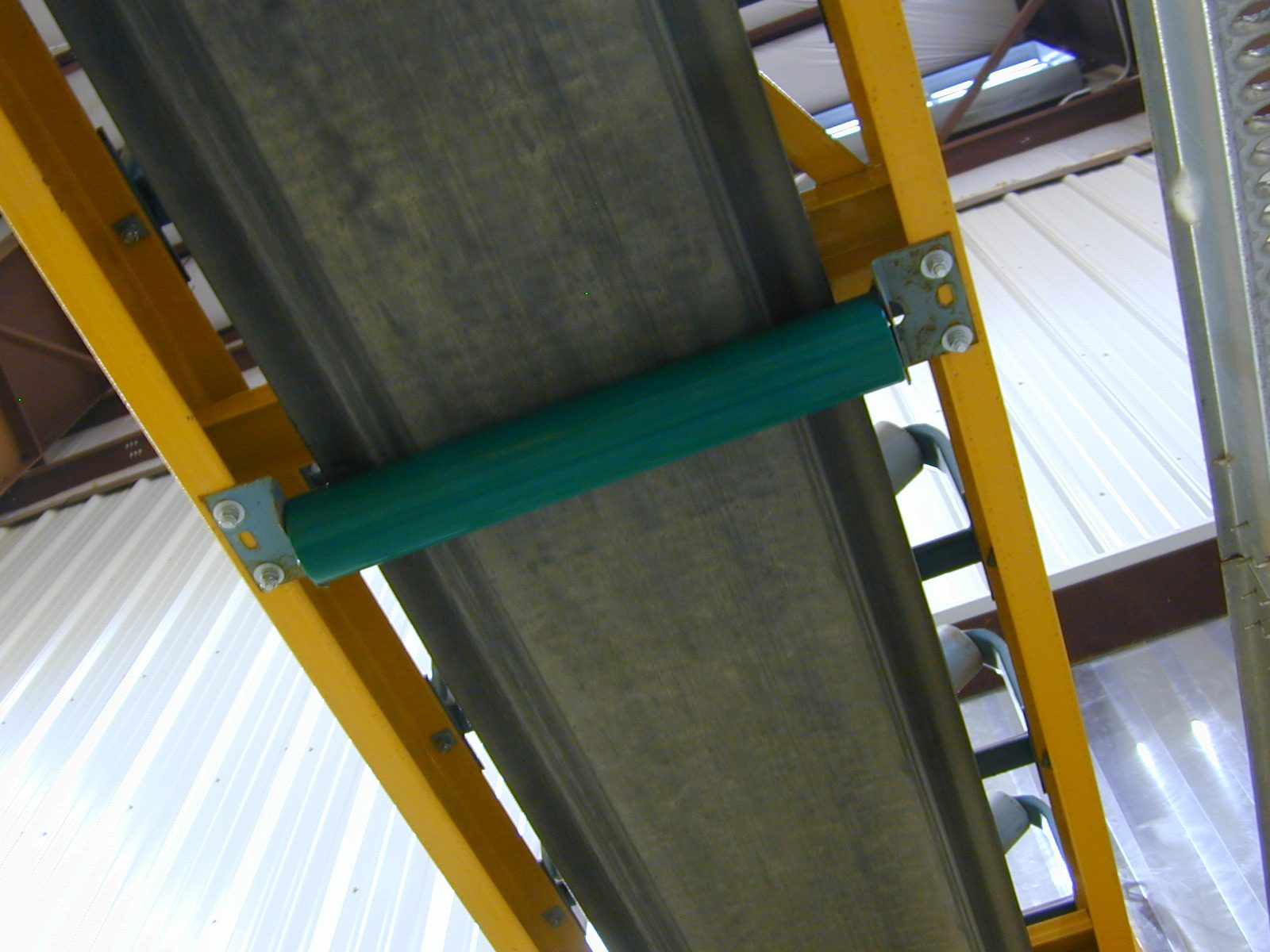
- Conveyor frames & transfer points
- Aging metal roofs & bar joists
- Tanks, sumps & containment
- Process piping supports & racks
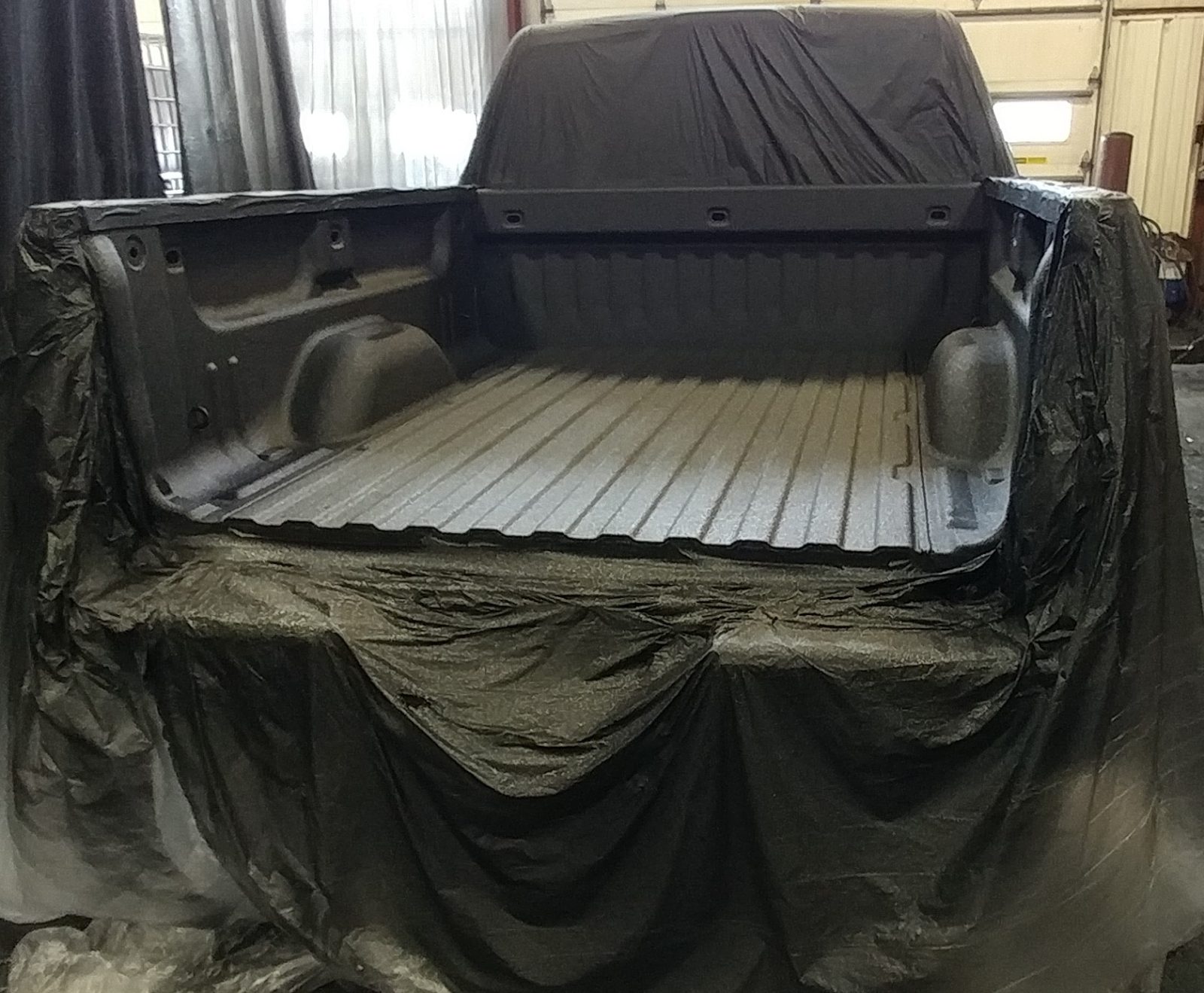
- Fleet frames & trailer underbodies
- Wash-down & food plant steel
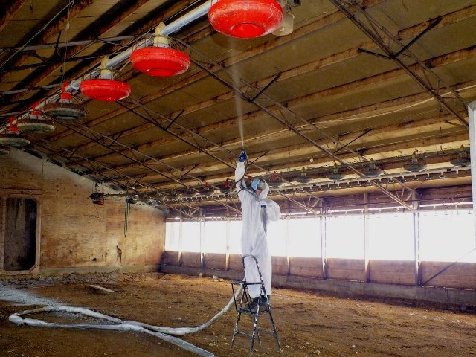
- Ag buildings & livestock facilities
- Dock, pier & marine structures
- Stairs, platforms & handrail
The Maintenance Coating Line
Selected by remaining service life and the abuse the asset still has to take.
The Asset You Have, Not the One in the Spec Book
Corrosion literature is written for new steel. Maintenance engineers do not work on new steel. They work on a 1990s conveyor gallery with two generations of paint on it, a roof that leaks at the fasteners, and a shutdown window measured in hours.
The gap between those two realities is where most maintenance coating money gets wasted. A specification calling for full removal to bare metal is technically correct and often financially impossible, so the work gets deferred, deferred again, and eventually converted into a capital replacement that nobody planned for.
There is a middle path, and it is defensible. Where existing rust is sound and tightly adhered — the kind you cannot lift with a scraper — an SSPC-SP3 power-tool prep followed by a continuous 100% solids polyurea membrane removes the two things the corrosion cell needs: liquid water and oxygen. The oxide stays where it is. The reaction stops. And the asset gets another decade instead of a line item in next year's capital request.
This is a reduced-warranty condition, and we say so plainly. It is also the right engineering answer far more often than the industry admits.
What Maintenance Overcoating Buys You
Deciding Whether an Asset Is a Candidate
Not every corroded structure should be overcoated. Before we spec anything, we want to know four things — and two of them will disqualify a job outright.
- Is the remaining section adequate? Coating does not restore lost steel. If ultrasonic thickness readings show section loss below design, the answer is repair or replacement, and we will tell you that.
- Is the existing rust tight? Sound, adherent oxide can be overcoated. Loose scale, flaking, and delaminating paint cannot — the membrane will simply take them with it when they let go.
- What is the chloride load? In coastal, de-icing, or wash-down service, verify below 7 µg/cm². Salt trapped under a membrane will osmotically blister it no matter how good the coating is.
- How long does the asset need to last? A structure with fifteen years of intended life justifies a different spec than one scheduled for replacement in three.
Answer those and the specification writes itself. We would rather turn down a job than sell a membrane over steel that needed a welder.
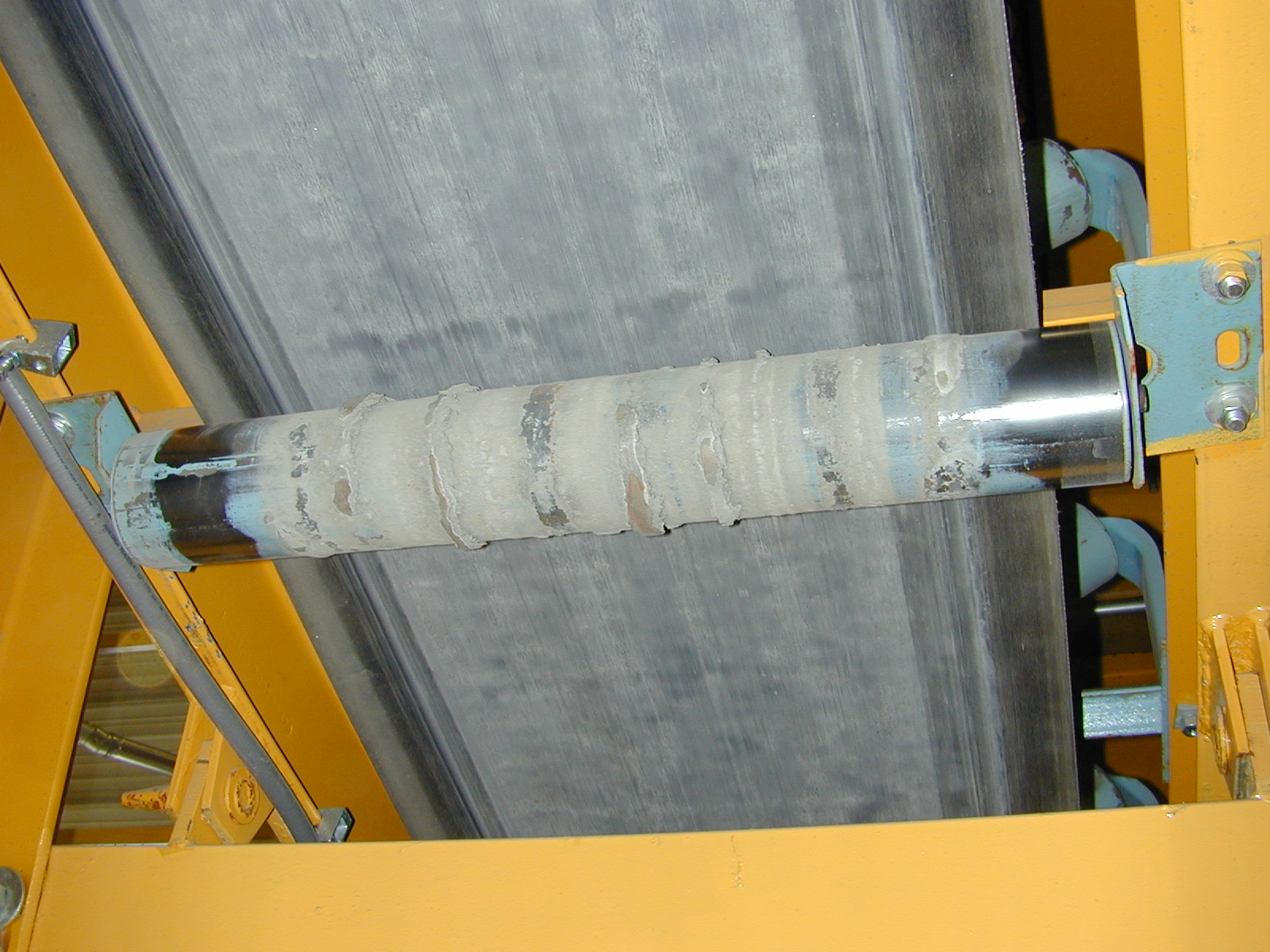
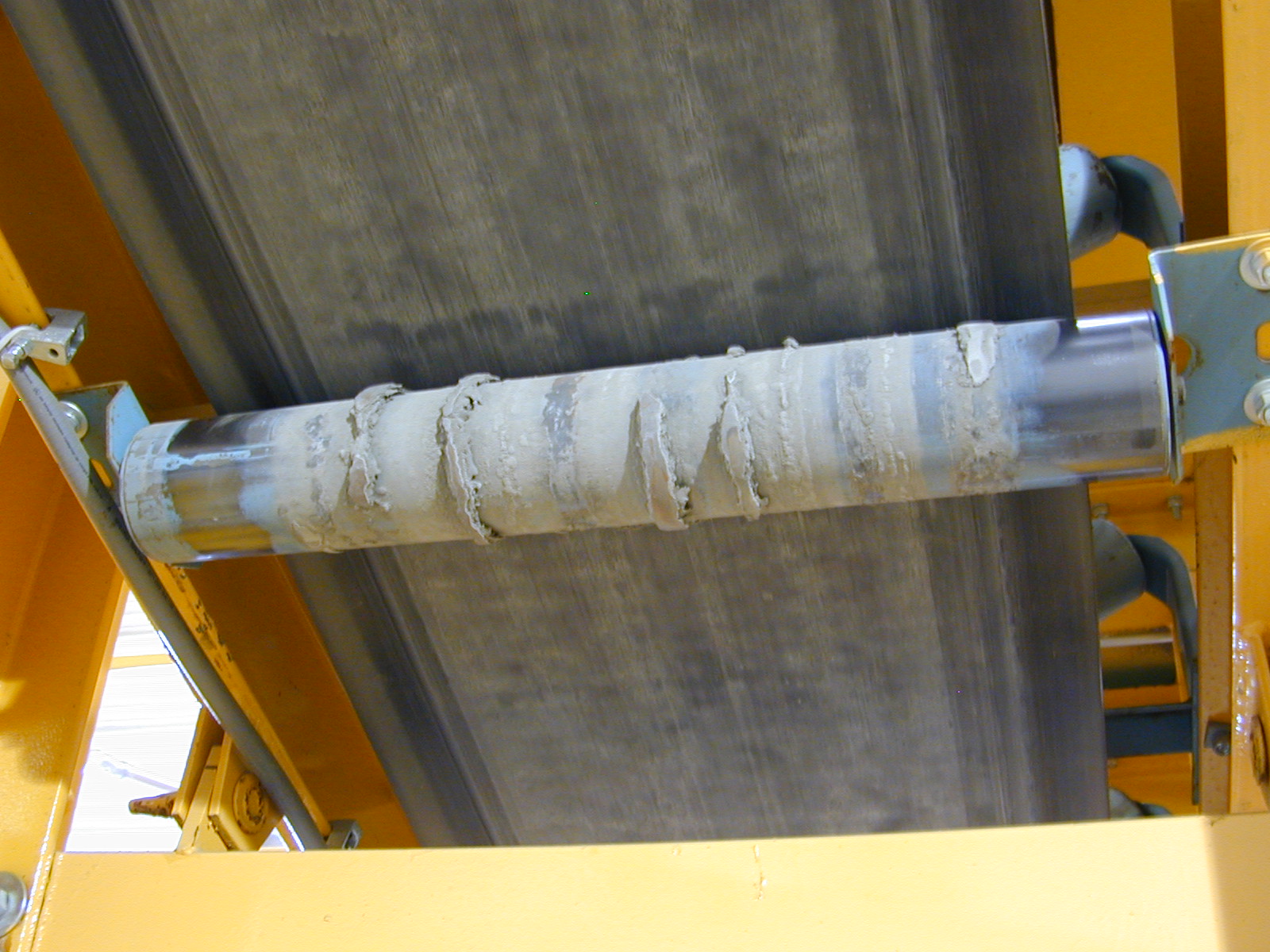
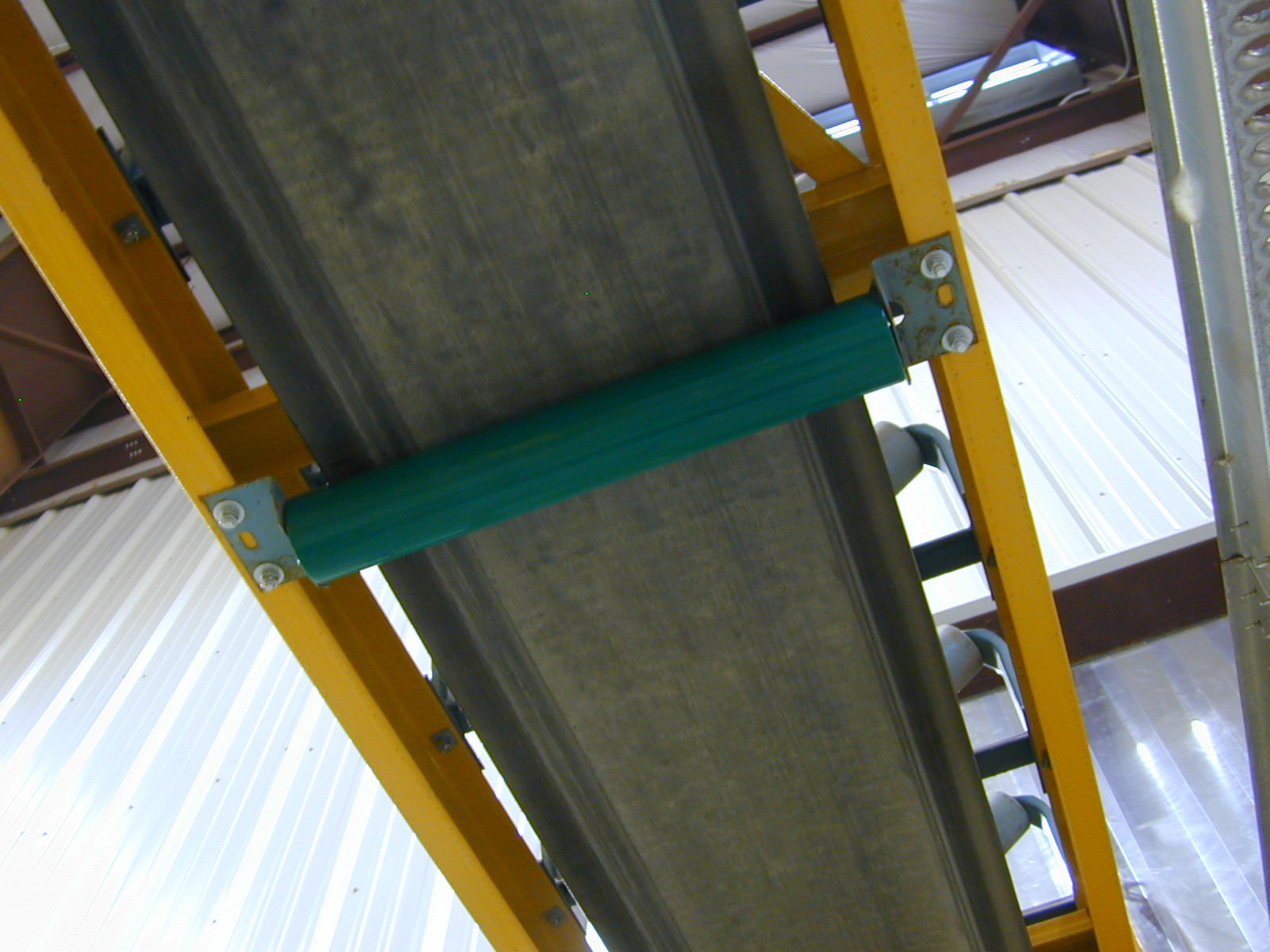
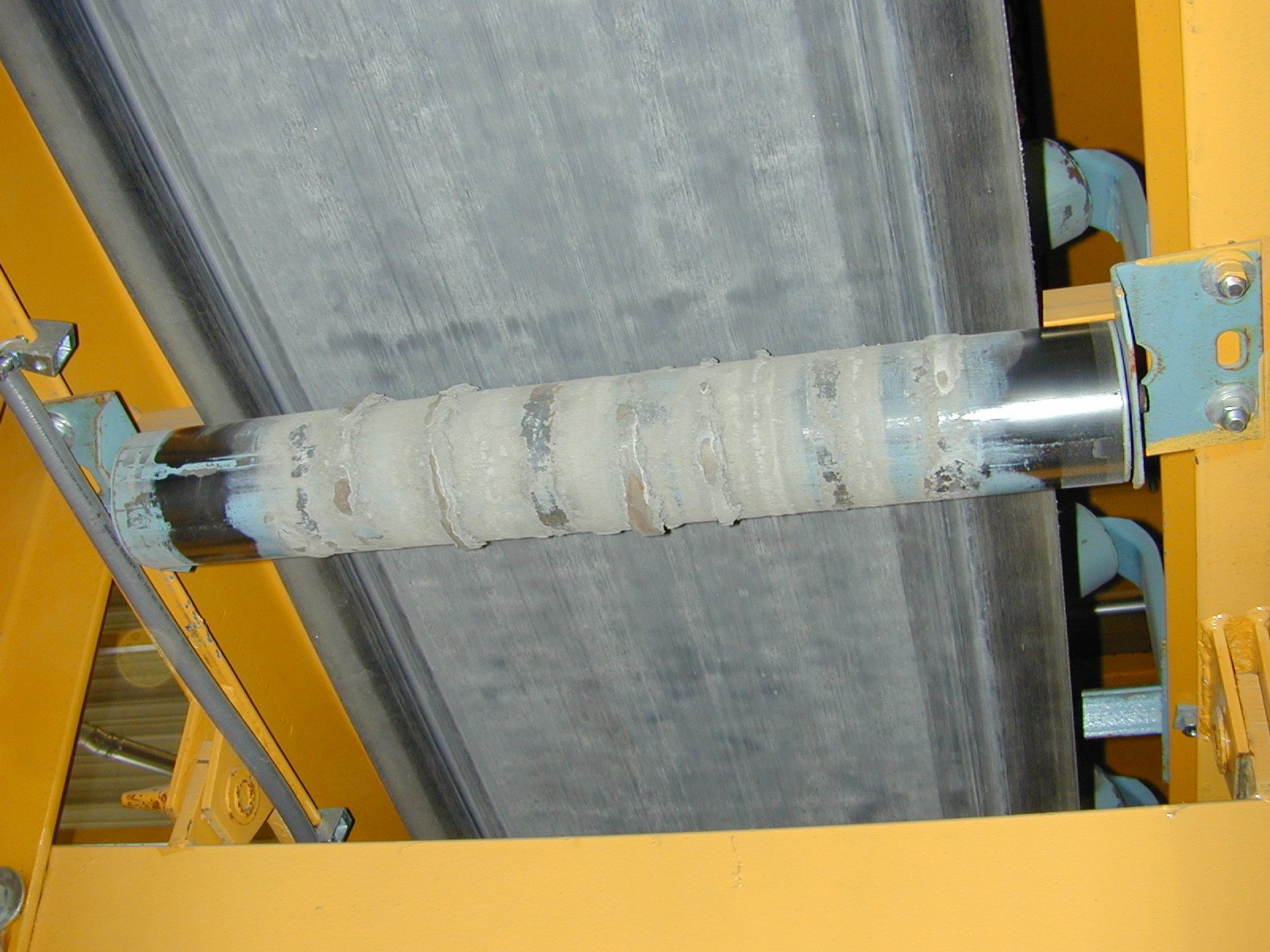
Before and After in Service
Tell Us What Condition It Is In
Photos, approximate age, current coating history, and how long the shutdown window is. You will get a maintenance spec, a DFT target, and an honest read on whether overcoating is the right call for that asset.
Get a Maintenance SpecGet a Maintenance Spec
Tell us about your project and we will follow up with product details, technical data sheets, and pricing.
Frequently Asked Questions
Frequently Asked Questions
What plant engineers and maintenance planners ask before approving the work.
Overcoating Existing Corrosion
Can you really coat over rust that is already there?
Over sound, tightly-adhered rust — the kind you cannot lift with a putty knife — yes. The membrane cuts off the water and oxygen the corrosion cell needs, and the reaction stops. Over loose scale, flaking, or delaminating paint, no; that material has to come off, because the coating will release with it. This is a reduced-warranty condition and we state it in writing.
How do I know if the steel is too far gone to coat?
Take ultrasonic thickness readings and compare to design. Coating restores nothing structurally — it prevents further loss. If the member is already below required section, you need a welder or a replacement, and we will say so rather than sell you material.
Can it go over existing paint?
Usually, with 7001 primer, which promotes adhesion and blocks bleed-through from aged finishes. Test a small area first: if the old coating fails cohesively when you pull on it, the whole system has to come off. Aged alkyd, epoxy, and urethane in sound condition generally accept the overcoat fine.
What about pitting — does the coating fill it?
Polyurea will bridge and fill shallow pitting, and at 20 to 60 mils it covers a lot of surface irregularity. Deep pitting with entrapped contamination is a different situation — clean it out and verify chlorides, or you are sealing salt against the steel.
Downtime & Execution
How long is the asset out of service?
Tack-free in 10 to 30 seconds and full service typically within the hour after the last pass. The schedule driver is prep and masking, not cure. Most single-asset maintenance work fits inside one shift, and there is no second coat to come back for.
Do we need containment and abrasive disposal?
Not for SP3 power-tool prep, which is one of the main reasons maintenance overcoating is affordable. Power-tool work needs dust control and appropriate PPE, particularly if lead-bearing paint is present, but it avoids the containment structure, abrasive handling, and disposal costs that come with open blasting.
Can it be sprayed while adjacent equipment is running?
Often, with proper masking. Polyurea overspray dries to dust in seconds and travels, so it needs to be controlled — but there is no extended solvent flash-off period and no lingering VOC issue keeping people out of the area. We plan the pass sequence and masking with you.
What happens when a forklift gouges it next year?
Abrade the damaged area, apply 7001 primer, respray. Minutes, not a shutdown. That local repairability is a large part of why this works on assets that get handled roughly.
Cost, Warranty & Alternatives
How does this compare to a conventional maintenance paint system?
A three-coat maintenance system means multiple mobilizations or standing crew through recoat windows, and it typically needs attention again at five to seven years. A single polyurea pass builds full thickness at once and routinely runs well past that. Compare cost per year of asset life, not cost per gallon.
What warranty applies to an overcoat?
Full warranty terms require SP6 blast, verified profile, chloride limits, and documented DFT. SP3 maintenance overcoating over tight rust carries a reduced-warranty note — we are explicit about that up front so nobody is surprised later. Many facilities take that trade knowingly because the alternative is deferring the work entirely.
Will it chalk or change color over time?
Aromatic polyurea chalks and fades in direct UV. It is purely cosmetic and does not affect the barrier or the physical properties. Where appearance matters — public-facing structures, architectural steel — we spec an aliphatic topcoat.
Do you sell direct, or only through contractors?
Both. We ship material nationwide to facilities, contractors, and distributors. Because application requires plural-component equipment, most facilities either use their existing coating contractor or ask us for a referral. Contractors and distributors get wholesale pricing — mention region and volume.
Have a Situation That Does Not Fit These Answers?
Most maintenance problems do not. Describe the asset and we will give you a straight assessment.
Ask a Question